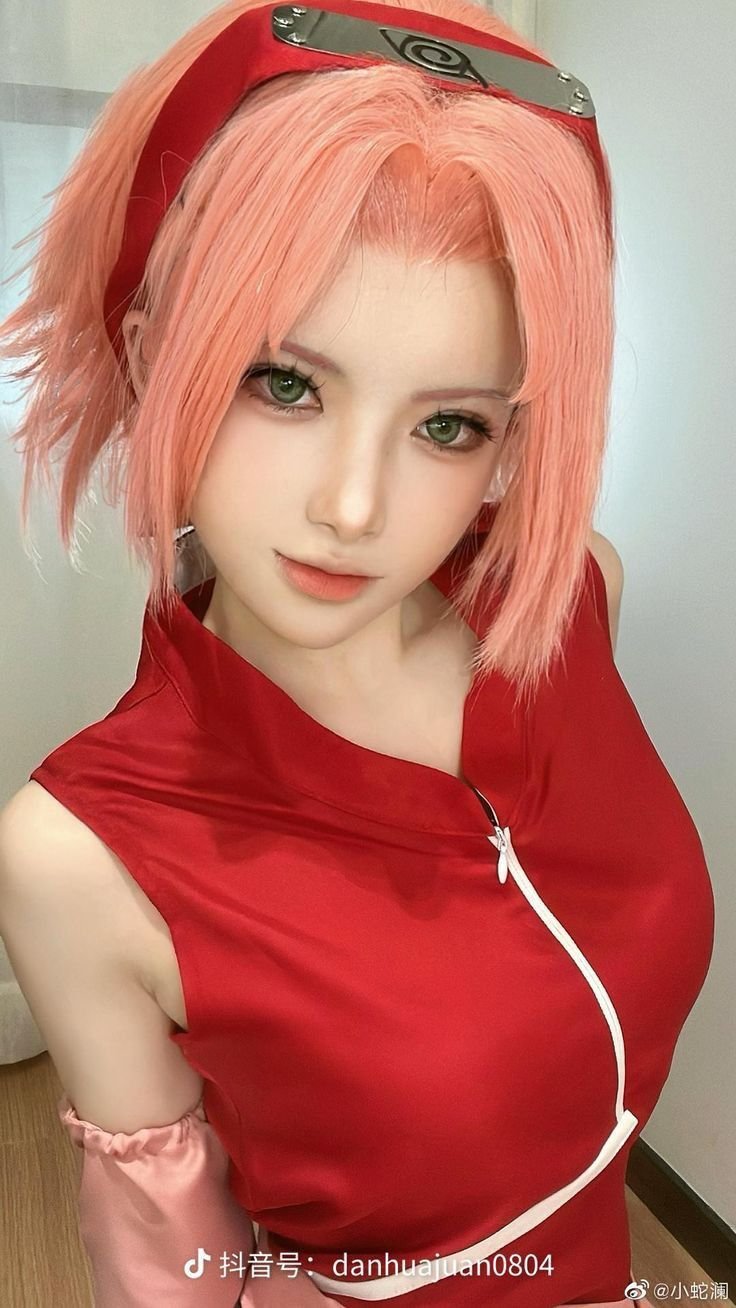
It's a question many anime and manga fans ponder, often fueled by enthusiastic fan discussions or intriguing crossover art: is Sakura Haruno, the renowned kunoichi from Naruto, actually a character in the vibrant, bizarre world of JoJo's Bizarre Adventure? Let's cut straight to the chase and unravel this mystery, then dive deep into the fascinating reality of Hirohiko Araki's iconic creation.
Setting the Record Straight: Sakura Haruno and JoJo's Bizarre Adventure
While the idea of Sakura Haruno battling Stand users or wielding Hamon is certainly entertaining, the definitive answer is no, Sakura Haruno is not a character in JoJo's Bizarre Adventure. She hails exclusively from Masashi Kishimoto's Naruto series. The two franchises are distinct, each with their own unique characters, power systems, and sprawling narratives.
This misconception likely arises from the sheer popularity of both series, leading to fan-made content that playfully imagines crossover scenarios. However, if you're looking for the true essence of what makes JoJo so captivating, prepare for a journey through generations of bizarre heroism, unique powers, and unforgettable antagonists. You'll want to [explore the intricate lore of the JoJo universe] to truly grasp its depth and originality, far beyond any imagined crossovers.
Diving Deep into JoJo's Bizarre Adventure: A World of Stands, Hamon, and Generations
For over three decades, JoJo's Bizarre Adventure has captivated millions worldwide with its generational saga of the Joestar family. Written and illustrated by the visionary Hirohiko Araki, this series is a masterclass in evolving storytelling, unforgettable characters, and a distinctive art style. Forget what you thought you knew about traditional heroes; the Joestars bring a unique brand of courage and style to every bizarre confrontation.
The Joestar Legacy: A Family's Enduring Fight
At the heart of JoJo's Bizarre Adventure lies the extraordinary Joestar family. Each main story arc introduces a new protagonist, typically bearing the star-shaped birthmark and a name affectionately abbreviated to "JoJo." Their destiny is often intertwined with an ancient evil, primarily stemming from the generational rivalry between Jonathan Joestar and the vampiric Dio Brando. From Victorian England to modern-day Hawaii, the Joestars embody resilience, evolving their fighting spirit with each generation. To fully appreciate the lineage and their individual struggles, we encourage you to [meet the iconic Joestar protagonists] and see how their journeys unfold.
Supernatural Powers: Hamon vs. Stands
The supernatural elements are arguably the most iconic aspect of the JoJo universe. The series innovates its power systems, keeping battles fresh and unpredictable.
- Hamon (波紋; "Ripple"): Introduced in the early parts, Hamon is a martial arts technique that allows users to channel bodily energy into sunlight-like power through controlled breathing. It's an ancient art, potent against vampires and Pillar Men, requiring discipline and a deep connection to life energy.
- Stands (スタンド, Sutando): Beginning with Part 3, Stands became the dominant power system. These are psycho-spiritual manifestations of a person's fighting spirit, each possessing unique supernatural abilities, from controlling time to creating life. Stands are incredibly diverse, often reflecting their user's personality and ingenuity in battle. Understanding how these powers work is key to enjoying the series, and you can get [a deeper dive into Hamon versus Stands] to see how these two systems shaped the battles. You'll soon [discover the most formidable Stands in the series] as you explore the JoJo universe, each more incredible than the last.
The Epic Sagas of the Joestars: A Part-by-Part Journey
JoJo's Bizarre Adventure is divided into nine distinct story arcs, offering diverse settings, challenges, and characters. It's a vast narrative tapestry, with the first six parts sharing a continuous timeline, and the latter three venturing into an alternate universe. To ensure you don't miss a beat of this epic journey, it's helpful to [understand the chronological order of the JoJo parts].
The Original Continuity: From Phantom Blood to Stone Ocean
This sequence follows the direct lineage of the Joestar family, building upon the events of previous generations.
- Phantom Blood (Late 19th-century England): The genesis of the Joestar-Dio rivalry. Young Jonathan Joestar learns Hamon to combat his adopted brother Dio Brando, who transforms into a vampire using a mysterious Stone Mask, setting off a conflict spanning centuries.
- Battle Tendency (1938): Jonathan's rebellious grandson, Joseph Joestar, rises to the challenge, using his quick wit and Hamon to fight the ancient Pillar Men—powerful beings responsible for the Stone Mask.
- Stardust Crusaders (1989): Dio (now "DIO") awakens after a century, possessing Jonathan's body, causing Stands to manifest in Jonathan's descendants. Joseph's grandson, Jotaro Kujo, with his powerful Stand Star Platinum, leads a group of allies to Egypt to defeat DIO and save his mother. This journey introduces some of the series' most iconic battles and Stand abilities. This era is also home to some of the most diabolical antagonists, and you can [delve into the minds of JoJo's most memorable villains] to understand their profound impact on the narrative.
- Diamond Is Unbreakable (1999, Morioh, Japan): Joseph's illegitimate son, Josuke Higashikata, wields the restorative Stand Crazy Diamond. He teams up with local Stand users to hunt down the mystical Bow and Arrow and confront the menacing serial killer Yoshikage Kira and his explosive Stand, Killer Queen.
- Golden Wind (2001, Naples, Italy): Giorno Giovanna, biologically Jonathan's son (but Dio's son in spirit), dreams of becoming a "Gang-Star" to reform the Neapolitan mafia. His Stand, Gold Experience, grants life to objects, leading to an incredible rebellion against the secretive boss Diavolo and his time-erasing King Crimson.
- Stone Ocean (2011, Port St. Lucie, Florida): Jotaro's daughter, Jolyne Cujoh, is framed and imprisoned. Her Stand, Stone Free, allows her to manipulate her body into thread as she battles Enrico Pucci, a loyal follower of Dio, who seeks to remake the universe itself with his terrifying Stands like Made in Heaven.
A New Bizarre World: Steel Ball Run, JoJolion, and The JoJoLands
Following Stone Ocean, Araki launched a new continuity, offering fresh takes on familiar themes and introducing new interpretations of the Joestar legacy.
- Steel Ball Run (1890, post-Civil War America): Johnny Joestar, a paralyzed jockey, joins a cross-country horse race, discovering the mystical "Spin" and his Stand, Tusk, alongside Gyro Zeppeli. Their journey uncovers a plot involving the U.S. President Funny Valentine and his dimension-hopping Stand, Dirty Deeds Done Dirt Cheap (D4C), as they pursue a holy corpse.
- JoJolion (2011, Morioh, Japan): An amnesiac man, dubbed Josuke Higashikata, is found in Morioh after a natural disaster. His Stand, Soft & Wet, allows him to "steal" aspects of objects. He seeks his identity and a cure for the Higashikata family curse, confronting the enigmatic Rock Humans and their calamitous Stand, Wonder of U.
- The JoJoLands (Early 2020s, Hawaii): The latest installment follows Jodio Joestar, a 15-year-old gangster, and his crew, including his brother Dragona Joestar. They uncover the powerful Lava Rock, planning to use its mysterious properties to amass immense wealth.
The Genius Behind the Bizarre: Hirohiko Araki's Vision and Influence
Hirohiko Araki is not just a mangaka; he's an artist and a storyteller whose unique vision has shaped JoJo's Bizarre Adventure into a cultural phenomenon. His art style, famous for its surreal colors and iconic character poses (JoJo-dachi), draws inspiration from classical art and fashion, moving from muscular heroes to more refined, fashion-forward designs. Araki’s commitment to exploring themes of mystery, destiny, and the evolution of power, constantly reinventing his narrative, is what keeps the series fresh and engaging.
He deliberately crafted a generational story, taking inspiration from classics like Roots and East of Eden, and isn't afraid to kill off protagonists to allow their "spirit" to pass on. This fearless approach ensures the narrative always progresses and introduces new dynamics.
Experiencing JoJo: Anime, Manga, and Beyond
The JoJo's Bizarre Adventure franchise extends far beyond its manga pages. David Production has produced a highly acclaimed anime TV series, faithfully adapting Parts 1 through 6, with an adaptation of Part 7 announced. The anime's vibrant animation, iconic voice acting, and incredible soundtrack have brought the bizarre world to life for a new generation of fans. If you're torn between starting with the original comic panels or the dynamic animated series, it's worth taking time to [weigh the differences between the anime and manga adaptations] to decide which experience is right for you.
Beyond that, the series has spawned light novels, video games, and even a live-action film adaptation of Part 4. Its influence permeates pop culture, inspiring video game characters, fashion trends, and even scientific names. Araki himself has collaborated with prestigious institutions like the Louvre Museum and luxury brands such as Gucci, cementing JoJo's place as a global artistic and cultural force. To truly understand its widespread impact, you’ll want to [explore the vast cultural footprint of JoJo's Bizarre Adventure].
So, while Sakura Haruno may not be part of the Joestar legacy, the world of JoJo's Bizarre Adventure offers an unparalleled journey of heroism, mystery, and truly bizarre adventures that continues to inspire and entertain millions worldwide. Dive in and discover your favorite JoJo today!